Nicki's Diapers is a family business founded by Nicki and later joined by her husband Jesse. As a husband and wife team, they worked together to ensure the highest quality products while following responsible environmental and social business practices. The company is now located in Akron, Ohio.
FAQ
If you have purchased a product from our website and are not satisfied, you may return the unwashed, unused product in the original condition and packaging for a full refund (less shipping) within 30 days of delivery.
Items that were sold as final sale (i.e Seconds, Gently Used, and Clearance) are not eligible for return. Items that were washed, opened, or had the tags removed are not eligible for return.
We can refund the original payment method, issue store credit or offer an exchange for your products.
If you are returning for a refund to your original payment or store credit, or requesting an exchange then yes you will be responsible for return shipping costs.
Absolutely not, any errors that are a direct result of an action taken by one of our team members are covered by us and we pay for shipping!
Our 30 Day Return, and 60 Day Limited Warranty policies only apply to the original purchaser of the product. Proof of purchase is required.
A manufacturer defect is any error in the creation of the product that leads to an issue with: stitching, closures, elastics, holes in the fabric, irregular shrinkage, delamination, and cracks in the PUL. Only Nicki’s Diapers, Best Bottom, Imagine Baby Products, Planet Wise, and Oh Lily! are eligible for our 60 Day Limited Warranty--all other brands must go through that manufacturer.
Our limited warranty does not cover: general wear and tear, staining, fading, leaking/repelling, pilling, issues that develop due to improper wash--per our washing instructions, 3rd party manufacturer products (please contact the manufacturer), products altered in any way after purchase, and previously loved items.
No, for warranty claims we cover shipping costs! The only reason you would be charged shipping for a warranty claim is if the claim is denied. In this rare case, you would be responsible for return postage to get your items back to you.
We do not offer limited warranties on any brands other than the following: Nicki’s Diapers, Imagine Baby Products, Best Bottom, Oh Lily! and Planet Wise. If you believe you have a manufacturer defect with a product from any other brands, you must reach out to that manufacturer and follow their warranty claim procedures.
We understand that sometimes you receive too much of an item on your registry or the gifter reads the product wrong and orders the wrong item! You are more than welcome to return those items for store credit or exchange them. We are unable to issue the gift receiver a monetary refund. The only person who may request a monetary refund is the original purchaser.
We accept all major credits, in addition to Apple Pay, Google Pay, and Shop Pay. Looking to make smaller payments on a large order? Choose Shop Pay as your payment option and you can make 4 payments over 8 weeks with no interest!
Choose Shop Pay as your payment option and you can make 4 payments over 8 weeks with no interest!
Rates from 0%-36% APR. Payment options through Shop Pay Installments, are subject to an eligibility check and are provided by these lending partners. Options depend on your purchase amount, and a down payment may be required. State notices to consumers.
Example of how Shop Pay works. For instance, a $800 purchase could be split into 12 monthly payments of $72.21 at 15% APR, or 4 interest-free payments of $200 every 2 weeks.


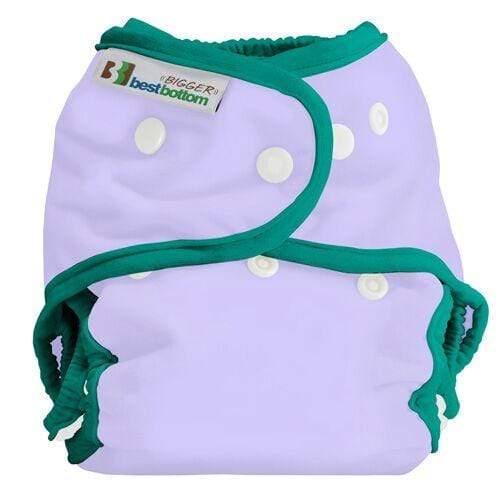 $22.99 USD
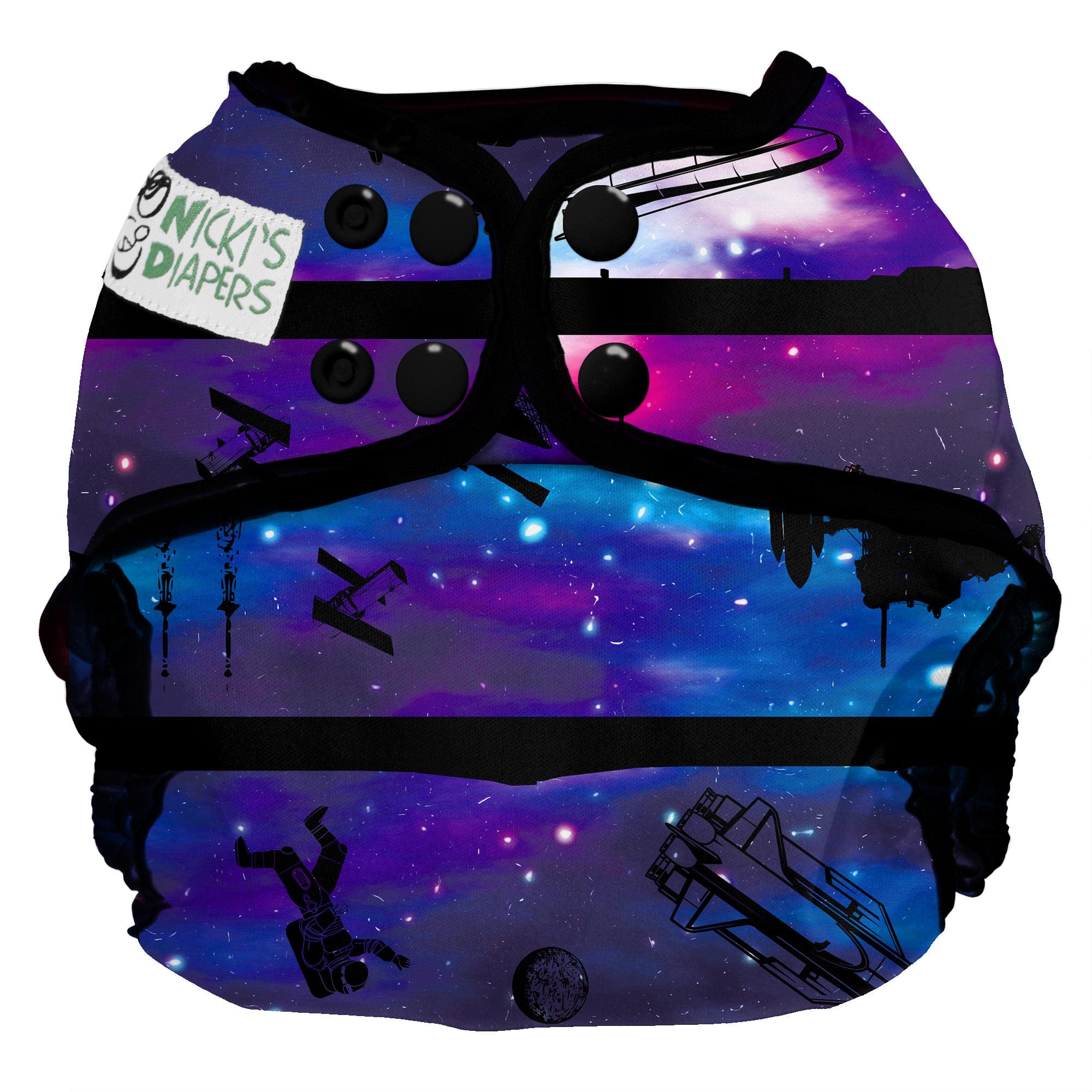 $10.00 USD
$13.99 USD
$10.00 USD
$13.99 USD $5.00 USD
$8.99 USD
$5.00 USD
$8.99 USD $5.00 USD
$7.99 USD
$5.00 USD
$7.99 USD $21.99 USD